
A vented attic works when outside air comes in low, at the soffits or eaves, and hot air leaves high, at or near the ridge. If either end is blocked, or two kinds of exhaust vents fight each other, heat and moisture stay trapped under the roof deck. Before adding vents or fans, check that the intake is clear and that the roof has one exhaust system sized to match it.

Why does attic ventilation matter so much here?
The National Weather Service Austin climate summary describes summers here as long and hot: normal highs reach 90 degrees by late May and stay above 90 until late September, with the peak in early August. Moisture carried in from the Gulf can push humidity up on top of that.
An attic sits right under all that sun. ENERGY STAR’s guide to attic ventilation explains that in summer, natural airflow through a well-vented attic moves super-heated air out, which protects the shingles and removes moisture. Insulation on the attic floor then slows the heat that moves down into the rooms.
Ventilation does not cool your house by itself, and it is not a substitute for insulation or air sealing.
How is a vented attic supposed to work?
Think of it as a chimney laid along the roof:
- Intake vents sit low, in the soffits under the eaves or in a vented strip at the roof edge. Cooler outside air enters here.
- Exhaust vents sit high, along the ridge or as box vents near the top of the roof. Warm air rises and leaves here.
- A clear path runs between them, up the underside of the roof deck, between the rafters or trusses.
If the intake is painted shut, covered by insulation or never installed, the exhaust vents have nothing to pull from. Air then enters wherever it can, including through gaps in the ceiling from the house below.
What does the building code ask for?
The City of Austin’s building technical codes adopt the 2024 International Residential Code, with local amendments effective July 10, 2025. Section R806 of that code covers attic ventilation (Austin’s code viewer):
- Each enclosed attic space needs cross ventilation, with openings protected against rain and screened against birds, rodents and snakes. Openings must be between 1/16 inch and 1/4 inch at their smallest dimension, or be covered with screen or hardware cloth.
- The minimum net free vent area is 1/150 of the vented attic area.
- That can drop to 1/300 when 40 to 50 percent of the required area is high, within 3 feet of the ridge measured vertically, and the rest is in the bottom third of the attic.
- Insulation and blocking must not stop airflow at eave vents, and at least 1 inch of space is required between the insulation and the roof sheathing at the vent.
- Vents go in according to the manufacturer’s instructions.
Net free area is the open area a vent actually lets air through, not its outside size. The vent’s packaging or spec sheet lists it.
The code also allows unvented attics, for example with air-impermeable insulation applied directly to the underside of the roof deck, when specific insulation conditions are met. That is a different design and should be planned as one, not created by closing off vents.
Which ventilation mistakes cause problems?
Most trouble comes from these patterns:
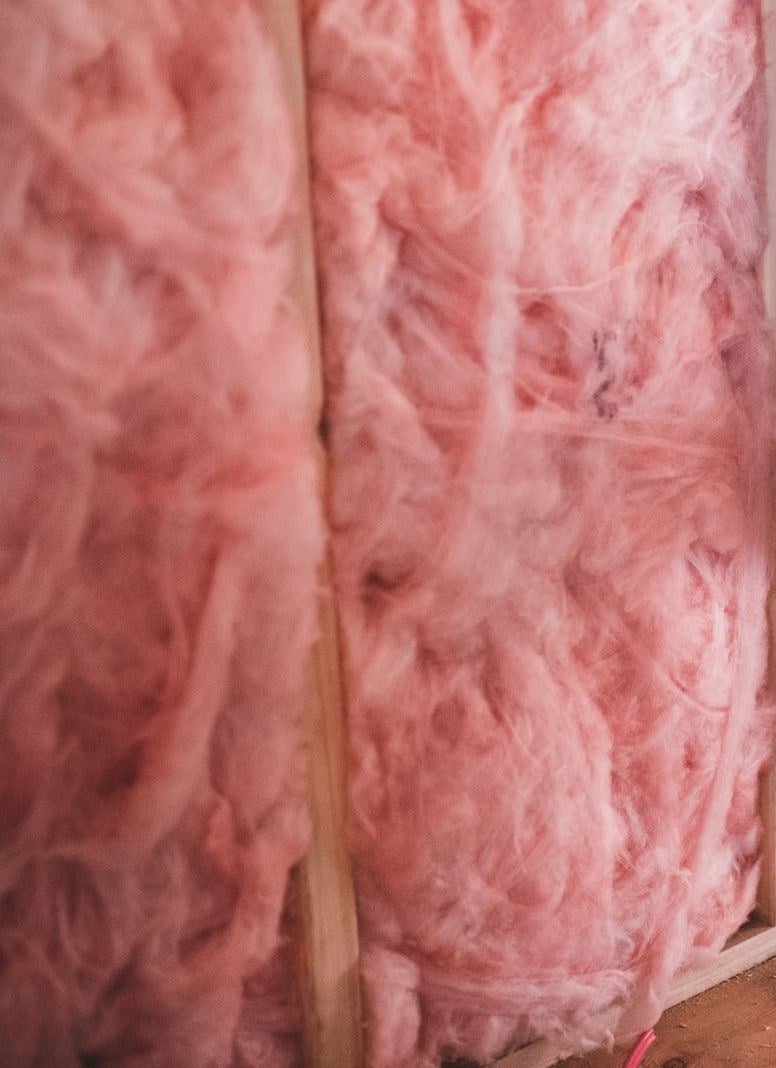
- Blocked soffits. ENERGY STAR calls blocking air at the eaves the most common mistake homeowners make when adding insulation. Baffles (rafter vents) keep a channel open above the insulation.
- Mixed exhaust. Ridge vent instructions, such as Atlas’s TruRidge installation guide, say not to combine a ridge vent with power fans, roof pots, turbines or gable vents on the same attic. Atlas warns that a power fan combined with soffit and ridge vents can reverse airflow and let water into the attic.
- More exhaust than intake. The same instructions say soffit intake should equal ridge exhaust. When intake comes up short, the attic can draw air from the house below.
- Fans in a leaky attic. ENERGY STAR notes that an attic fan with blocked soffits and an unsealed ceiling pulls cooled air out of the house into the attic, so the air conditioner works harder.
- Bath or dryer vents ending in the attic. These put warm, wet air in the attic. They should run outside.
When is the fix simpler than new vents?
Often the roof is not the problem at all. From the attic hatch, with a flashlight, look for:
- Daylight at the soffits. If you can’t see any, insulation may be stuffed against the vents.
- Bath fan ducts that stop short of the roof or wall.
- Dark or damp spots on the underside of the deck, or rusty nail tips coming through.
- Gaps around ceiling lights, plumbing and wiring holes in the attic floor.
Clearing soffit vents, adding baffles and connecting a loose bath fan duct can be handled by a careful homeowner or an insulation company. The Department of Energy’s guidance on air sealing existing attics recommends sealing attic floor penetrations before adding insulation, which also helps prevent moisture problems up there.
Call a roofer when the fix involves the roof itself: cutting a ridge vent, removing turbines or box vents, replacing soft decking, or adding intake at the roof edge.
Should you change ventilation during a re-roof?
A re-roof is the easiest time to correct ventilation, because the old covering is off and the ridge is open. If you are planning a roof replacement, ask for ventilation to be part of the written scope, so you can see which vents stay, which come out and how intake and exhaust will be balanced.
On permits, the City of Austin’s list of work exempt from building permits includes asphalt shingles that replace existing asphalt shingles, unless the property is in the Wildland-Urban Interface area and 50 percent or more of the roofing is being replaced. Exempt work still has to meet the building codes, including the ventilation rules above. For smaller issues, a roof inspection or a roof repair visit can confirm whether vents, flashing or decking need attention.
Get a ventilation check with your roof estimate
Ridgepoint Solutions works on residential roofs in Austin and surrounding Central Texas communities. If your upstairs runs hot, your attic smells damp, or you are planning a new roof, Get a free estimate or email info@ridgepoint-solutions.com. You’ll get a free inspection and written estimate, and you can ask for the attic and vents to be part of that look. See our residential roofing page for the full list of roof services.
Frequently asked questions
How do I know if my attic has enough ventilation?
Start with the intake. From inside the attic, you should see daylight or open vent paths at the soffits, not insulation packed against them. Then look up: there should be one type of exhaust near the top, such as a ridge vent or box vents. Damp or darkened decking, rusty nail tips or a musty smell suggest the air is not moving. The code minimum is based on net free vent area compared to the area of the vented space, which a roofer can measure and compare.
Is a ridge vent better than box vents or turbines?
Each type can work when it is the only exhaust and it is balanced with enough intake at the eaves. Ridge vents run along the highest part of the roof, so they can pull air along the full length of the roof. Box vents and turbines work in smaller zones. The bigger problem is mixing types on the same attic space, which manufacturers warn against because air can short-circuit between vents and skip most of the attic.
Will an attic fan lower my cooling bill?
Not always. ENERGY STAR notes that if the soffit vents are blocked and the ceiling below is not sealed, an attic fan pulls cooled air out of the house and into the attic. That makes the air conditioner run more. Clear intake vents, air sealing and insulation usually come first. If you already have a powered fan alongside a ridge vent, ask whether it should be disconnected, since mixed systems can reverse airflow.