
Yes, get the roof looked at before you buy, and know what the standard home inspection does and does not cover. In Texas, home inspectors follow the Texas Real Estate Commission (TREC) standards, which require a look at the roof covering, flashing and attic, but do not require an estimate of how many years the roof has left. If the inspection raises questions, a separate roof inspection during your option period fills that gap.
Here is what to expect from each, what to read in the seller’s paperwork, and how to use the answers while you still have room to act.
Does a home inspector check the roof in Texas?
Yes. Under the TREC Standards of Practice (22 Tex. Admin. Code §535.228), the inspector looks at the roof covering from the surface of the roof and reports:
- the type of roof covering
- where they inspected it from (on the roof, a ladder at the eaves, the ground)
- any evidence of water getting in
- any evidence of earlier repairs to the roofing, flashing, skylights and other penetrations
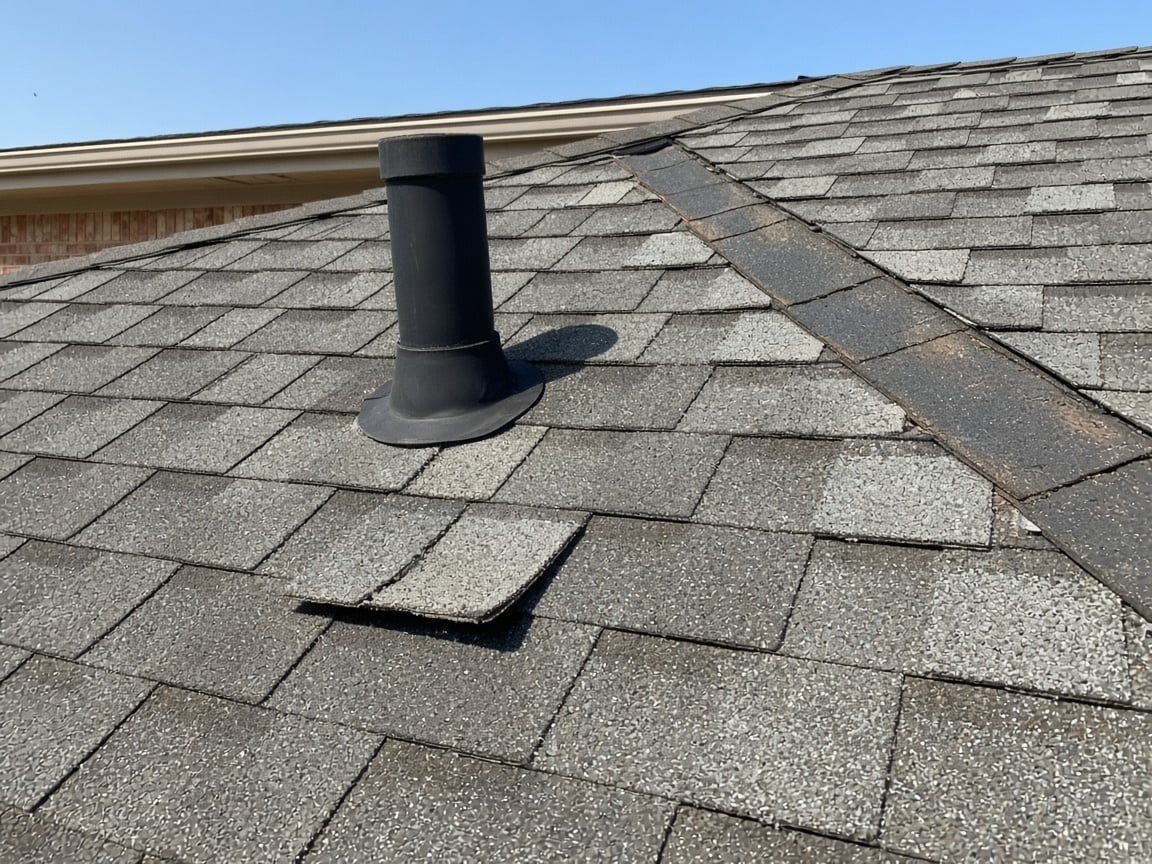
They also mark as Deficient any problems they find with fasteners, adhesion, the roofing material itself, flashing, skylights and pipes or vents that pass through the roof. In the attic they report how they viewed it, roughly how deep the insulation is and signs of water, and they flag ventilation that is not working, missing insulation, sagging tied to the framing or decking, and problems with the framing and attic vents.
That is a solid first look. Read the line about where the roof was viewed from, though. A roof seen from the ground is not the same as a roof someone walked.
What does the standard inspection leave out?
The same rule lists what the inspector is not required to do. They do not have to:
- go up on the roof if they cannot safely reach it or stay on it, or if walking it could damage the roofing
- tell you the remaining life of the roof covering
- tell you how many layers of roofing are on the house
- identify hidden hail damage
- check every fastener or list every spot where there is a problem
- crawl into an attic when the opening is smaller than 22 by 30 inches or the headroom is under 30 inches
None of that is a knock on inspectors. A general home inspection covers the whole house in one visit. But for a buyer, “how long will this roof last” and “is there hail damage” are often the two questions that matter most, and they sit outside the minimum standard. Hail and strong winds are the most common severe weather in the Austin area, according to the National Weather Service’s Austin climate summary, so a roof that looks fine from the driveway can still deserve a closer look.
What should you read in the seller’s disclosure?
The usual form is TREC’s Seller’s Disclosure Notice, prepared under Texas Property Code §5.008. If the seller gives you one, the roof questions ask for:
- the roof type and its approximate age
- whether they know of defects or items not in working condition, with the roof listed
- whether there has been any previous structural or roof repair
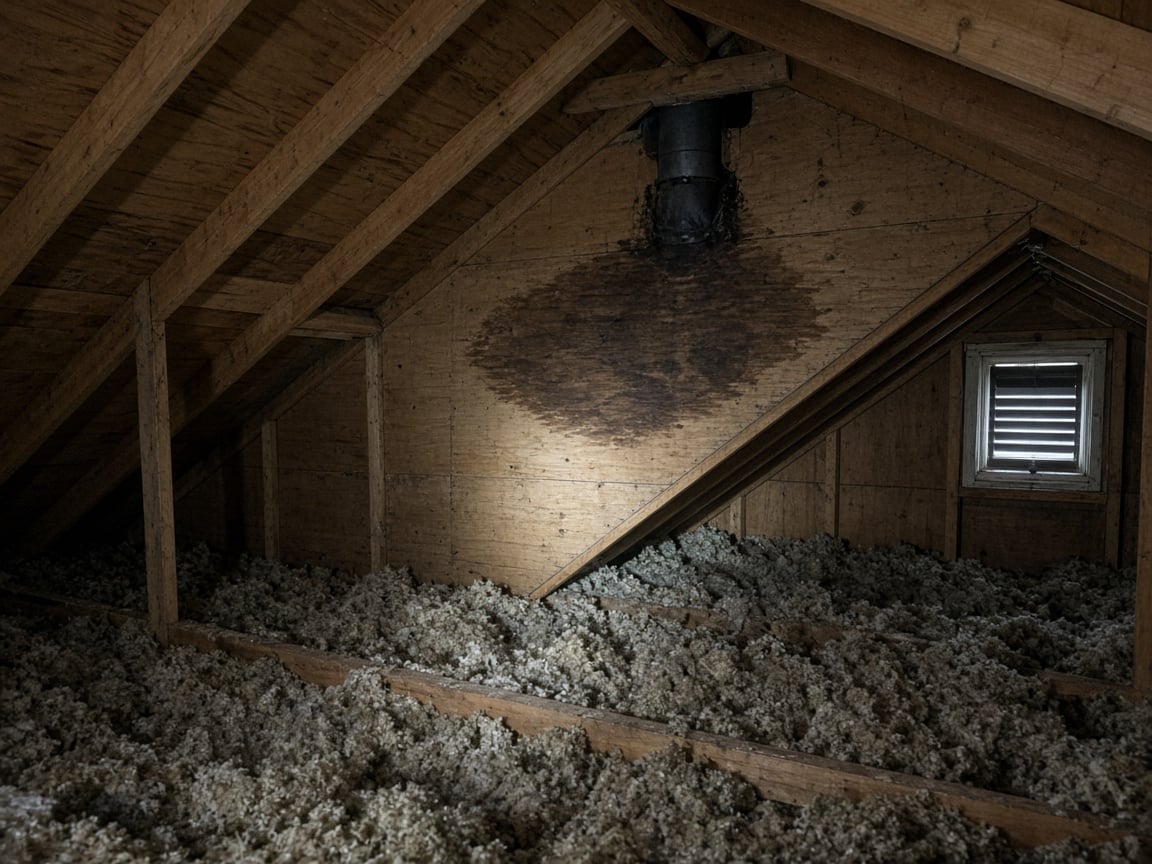
Compare those answers with what you see. If the form says the roof is a few years old but the inspector notes worn shingles, or the form says no repairs and the attic shows a stained deck around a vent, ask about it in writing. A mismatch is not proof of anything, but it is a fair question to raise before closing.
Can you check the roof’s permit history in Austin?
Partly. You can search a property’s permits on the City of Austin’s Austin Build + Connect portal. A recent roofing permit can help confirm the age the seller gave you.
A missing permit does not prove the roof was never replaced, though. The City’s list of work exempt from building permits includes asphalt shingles replacing asphalt shingles, and replacing a roof covering that does not affect the roof structure. The exception is a property in the Wildland-Urban Interface area where half or more of the roofing is being replaced. So for many houses, the paperwork that tells you the roof’s age is the seller’s disclosure and any receipts or contracts they kept, not city records.
When is a separate roof inspection worth it?
It is worth it when the home inspection report raises a roof question you cannot answer from the report itself, such as:
- the inspector did not walk the roof and noted it from the ground
- the report shows stains, past repairs or flashing problems
- the disclosure lists previous roof repairs, or gives no roof age
- you want a realistic sense of whether you are looking at a repair or a replacement soon
When is it simpler? If the house has a newer roof with paperwork to back it up, the inspector walked it, and the report and the attic look clean, you may not need anything more.
Timing matters. In the standard TREC resale contract (form 20-19), the termination option gives the buyer an unrestricted right to end the contract by notice within the option period, by 5:00 p.m. local time on the last day. Schedule any roof visit early in that window so you have the findings before the deadline, not after. You can also check any inspector’s license with TREC’s license holder search.
What should you do with what you find?
Keep it practical. Ask for photos of every problem area, so you and the seller are looking at the same thing. Separate repair items (a cracked pipe boot, a few lifted shingles, loose flashing) from signs the roof is near the end of its life. Then talk with your agent about whether to ask for repairs, a price change, or to walk away during the option period.
Our roof inspections page explains what a roof condition check covers, and you can read more on roof repair and roof replacement if the findings point one way or the other.
If you are buying in Austin and surrounding Central Texas communities and want the roof looked at during your option period, Ridgepoint Solutions offers a free inspection and written estimate. Get a free estimate or email info@ridgepoint-solutions.com.
Frequently asked questions
Do home inspections check the roof in Texas?
Yes. A home inspector working under the TREC Standards of Practice inspects the roof covering from the surface of the roof, along with flashing, skylights, pipes and vents, and the attic. The report states where the roof was viewed from and notes any signs of water getting in or earlier repairs. The inspector is not required to go on a roof that is unsafe to walk, estimate how long the roof will last, or identify hidden hail damage.
Does a missing permit mean the roof was never replaced?
No. The City of Austin lists replacing asphalt shingles with asphalt shingles, and replacing a roof covering that does not affect the structure, as work exempt from a building permit, unless the property is in the Wildland-Urban Interface area and half or more of the roof is being replaced. Many roof replacements leave no permit record, so ask the seller for the roof’s age and any contract or receipt from the work.
When should I schedule a roof inspection when buying a house?
Schedule it early in your option period, ideally right after the general home inspection report arrives. Under the standard TREC resale contract, the buyer’s notice to end the contract must be given within the option period and by 5:00 p.m. local time on the last day. Getting the roof findings first leaves time to review photos, talk with your agent and decide whether to ask for repairs or a price change.