
A nail pop is a small round bump or crack where a drywall nail or screw head has pushed through the joint compound. The Gypsum Association says most pops come from framing lumber shrinking as it dries, often helped along by fasteners that are too long or panels that were never pulled tight. The lasting fix is to re-fasten the panel next to the pop, not just tap the old nail back in.
What causes drywall nail pops?
The Gypsum Association’s guide GA-222, Repairing Screw or Nail Pops lists six causes:
- Lumber shrinking after the drywall went up
- Panels attached loosely to the framing
- Twisted, bowed or misaligned studs and joists
- Fasteners of the wrong length
- Fasteners driven badly
- Drywall construction adhesive that shrank as it cured
Shrinkage is the big one. The USG/CGC Gypsum Construction Handbook says framing lumber commonly goes in at 15 to 19 percent moisture content and dries to about 10 percent after installation, shrinking most during the first heating season. As the wood shrinks away from the back of the panel, a gap opens. Push on the wall or ceiling, and the panel moves toward the framing while the nail head stays put and breaks through its thin coat of compound.
Longer nails make it worse. The handbook cites Forest Products Laboratory and Purdue University work showing that shorter nails leave less gap after shrinkage, and it rates screws above smooth or ring-shank nails for holding power.
Should I fix nail pops right away or wait?
It depends on when they appeared. GA-222 says pops that show up before or during painting should be fixed immediately. Pops that appear a month or more into the heating season are usually lumber shrinkage, and the Gypsum Association says to hold off until the end of that season, so you’re not patching a wall that’s still moving.
In practice:
- New build, addition or big remodel: the USG handbook says framing shrinks most during the first heating season. Mark pops with painter’s tape as they appear and fix them together at the end of that season.
- Pops not tied to new framing or the heating season: the repair is the same, and there’s no reason to wait.
- Pops in a ceiling right after work in the attic: the USG handbook notes that if a panel was fastened loosely, any pressure on it can push a nail head through. Re-fasten and patch.
How do you fix a nail pop so it stays fixed?
Hammering the nail back flush is the quick version, and the USG/CGC handbook’s troubleshooting chapter treats it as temporary. The method both GA-222 and USG describe:
- Press the panel firmly against the stud or joist so the back of the drywall touches the framing.
- Drive a new drywall screw or nail of the proper length into the same framing member about 1-1/2 inches from the popped fastener.
- Pull the old fastener, or reset it just below the surface without tearing the face paper.
- Scrape off loose compound, then apply joint compound in thin coats, letting each dry.
- Sand lightly, match the texture, prime the patch and paint.
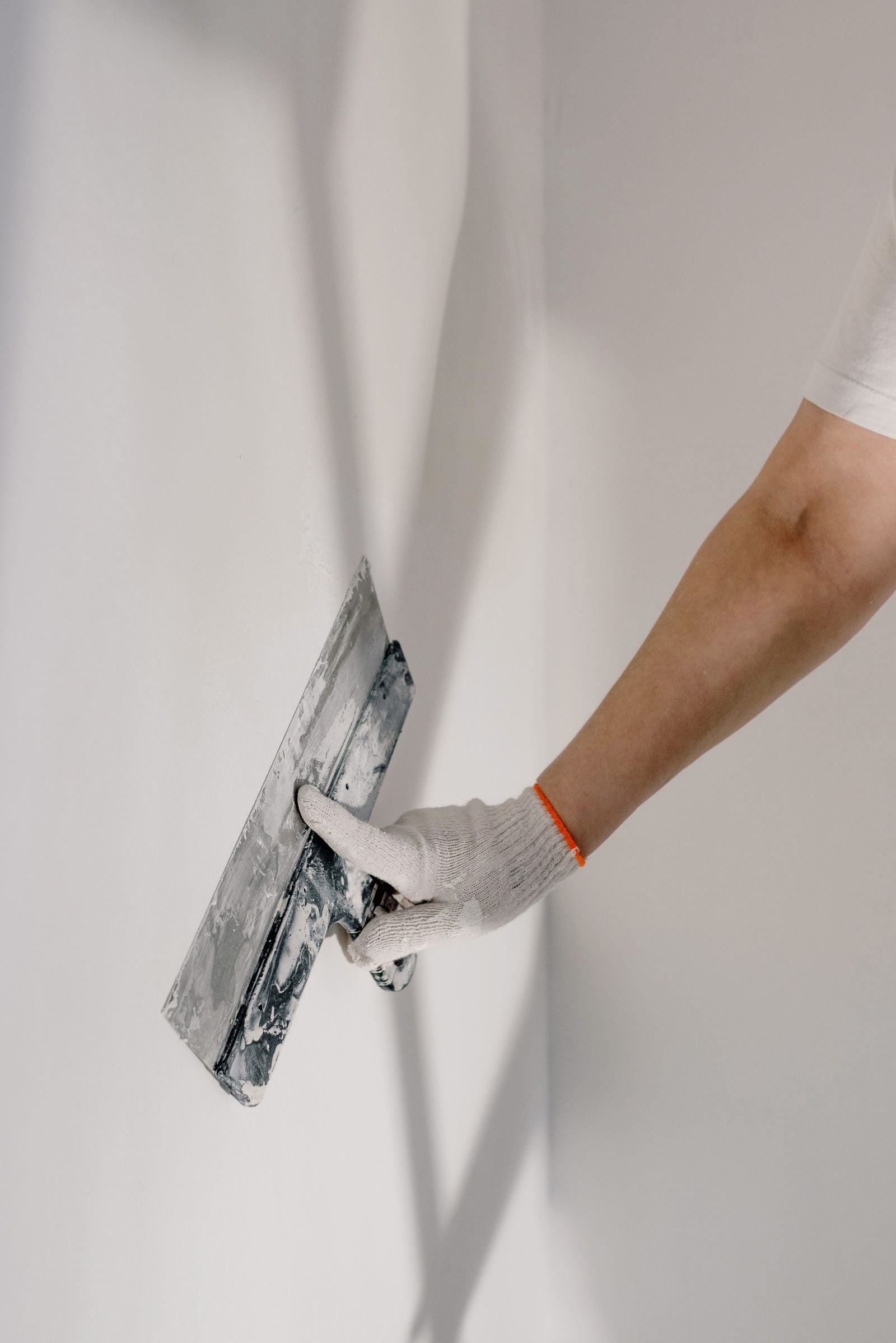
The texture and paint are what make a repair disappear. A smooth patch on a knockdown or orange-peel wall stands out, so match the texture and prime the patch before the finish coat. The USG handbook also notes that very small protrusions may still need repair on a smooth gloss surface, or on a flat-painted surface under strong lighting.
When is it more than a nail pop?
Two patterns are worth a closer look.
Cracks where the ceiling meets an interior wall. If the ceiling seems to lift off the top of an interior wall in the colder months and settle back in summer, the likely cause is truss uplift. Walls & Ceilings explains that roof truss bottom chords buried in attic insulation dry and shrink while the top chords take on attic moisture, so the truss arches up and pulls the ceiling drywall with it. The magazine calls it a cosmetic problem, not a structural one, and notes that simply re-taping the corner and fixing popped screws tends to crack again the next season. Building Science Corporation recommends letting the truss move and “floating” the drywall corner instead of fastening it tight.
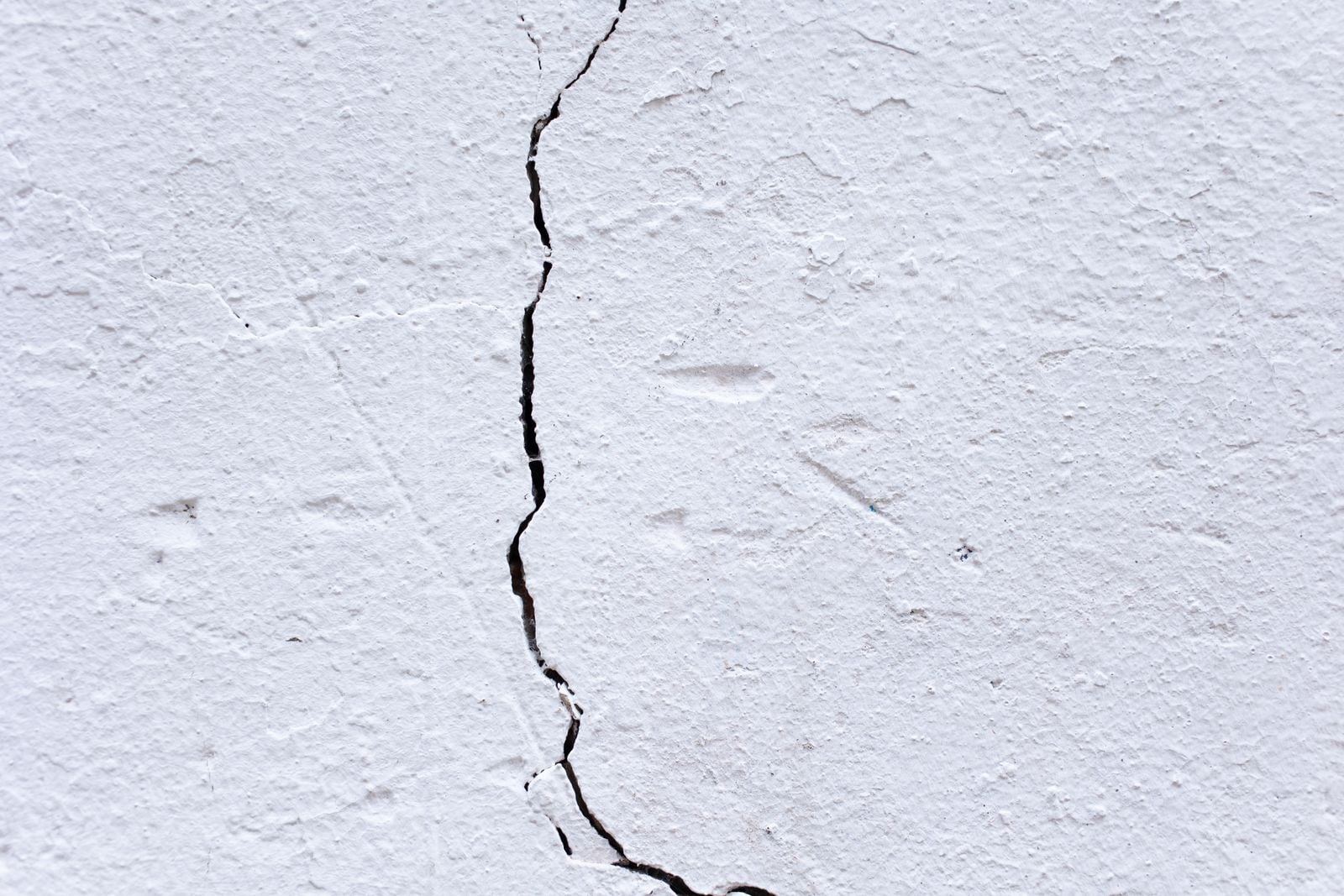
Pops along with cracks and sticking doors. The American Society of Civil Engineers’ Geo-Institute guide Living With Shrink/Swell Soils lists interior signs of foundation movement: cracks in walls or ceilings, cracks at corners or above doors and windows, sticking doors or windows, sloping floors and cracked tile. The guide says the more of these signs you see, and the more often, the more likely the foundation has moved. A handful of round pops on their own is not on that list. Cracks above doors and windows plus doors that bind is a reason to have the foundation evaluated before anyone patches drywall.
Do I need a permit or special precautions?
Usually no permit. The City of Austin’s Work Exempt from Building Permits page exempts a residential gypsum board repair of up to 128 square feet, as long as it isn’t part of a fire-resistance-rated assembly, a shear wall or a tub and shower surround. Painting is exempt too. Exempt work still has to meet code.
Two precautions apply in older houses. Before sanding painted drywall in a home built before 1978, remember that the EPA’s Renovation, Repair and Painting rule covers paid work that disturbs paint in that housing, with an exception for minor jobs that disturb 6 square feet or less per room inside. And the Consumer Product Safety Commission’s Asbestos in the Home guide notes that some older patching and joint compounds may contain asbestos. Our post on removing a popcorn ceiling covers testing.
Can I fix nail pops myself?
Yes, for a few pops in one room. You need a drill, drywall screws, a taping knife, joint compound and patience between coats. Where it makes sense to call someone is when there are dozens of pops, a ceiling that’s sagging, texture that’s hard to match, or a room that will need repainting anyway. Ridgepoint Solutions handles interior repairs and painting for homes in Austin and surrounding Central Texas communities, and can fix the pops, match the texture and paint the room as one job.
Have pops, cracks or a ceiling that doesn’t look right? Get a free estimate or email info@ridgepoint-solutions.com with a few photos.
Frequently asked questions
Why do I have nail pops everywhere in my house?
Widespread pops usually point to framing lumber drying and shrinking, which the Gypsum Association calls the main cause. The USG Gypsum Construction Handbook says new framing shrinks most during its first heating season, so pops often show up then. Long nails and panels that were not pulled tight to the framing make it worse. If the pops come with diagonal cracks, sticking doors or sloping floors, have the foundation checked before repairing the drywall.
Is it OK to just hammer a popped nail back in?
It is a short-term fix. The USG Gypsum Construction Handbook calls seating a popped nail with a hammer an often effective procedure, and re-fastening the panel a more permanent method. Press the drywall tight to the framing, drive a new screw about 1-1/2 inches from the pop into the same stud or joist, then reset or remove the old nail. Finish with joint compound, texture, primer and paint so the patch blends in.
Are nail pops a sign of foundation problems?
Usually not on their own. Most pops come from lumber shrinkage or loose fastening. The ASCE Geo-Institute’s homeowner guide lists cracks at wall corners and above doors and windows, sticking doors and windows, sloping floors and cracked tile as interior signs of soil-related foundation movement. When several of those show up together and keep coming back, ask a foundation professional to look before you put money into cosmetic drywall repairs.