
Most families can stay in the house during a whole-home remodel if the work runs in phases, so there is always a working bathroom, a place to sleep and a basic way to cook, with dust sealed out of those rooms. The order of the phases, the permit review and the City of Austin inspections decide how long each room is out of service, so settle them before demolition. Sometimes moving out for a few weeks is simpler.
Can you live in your house during a whole-home remodel?
Often, yes. It works when the plan answers three questions before work starts:
- Where will you shower? With two bathrooms, remodel one at a time. With one, make it the shortest phase, or the week you stay somewhere else.
- Where will you cook? A temporary kitchen in another room (refrigerator, microwave, a folding table and a sink nearby) carries most families through a kitchen phase.
- Where will you sleep, away from the dust? Bedrooms should be the last rooms touched, or the first ones finished.
Moving out for part of the job is often simpler when the kitchen and the only bathroom are torn out at the same time, when floors are replaced through most of the house, or when someone at home is sensitive to dust. EPA’s guidance for older homes says it plainly: you may want to move out temporarily while all or part of the work is done.
What order does a whole-home remodel usually follow?
Each room goes through the same steps; in a whole-home job they overlap. A typical order:
- Decisions and drawings. Layout, fixtures, cabinets and finishes picked before the permit application.
- Protection and containment for the rooms you are still using.
- Demolition, one zone at a time.
- Framing changes: moved walls, new openings, blocking for cabinets and grab bars.
- Rough plumbing, electrical and HVAC while the walls are open.
- Rough inspections, then insulation and drywall.
- Cabinets, tile and trim, then paint.
- Flooring, fixtures and appliances, then final inspections and a walk-through.
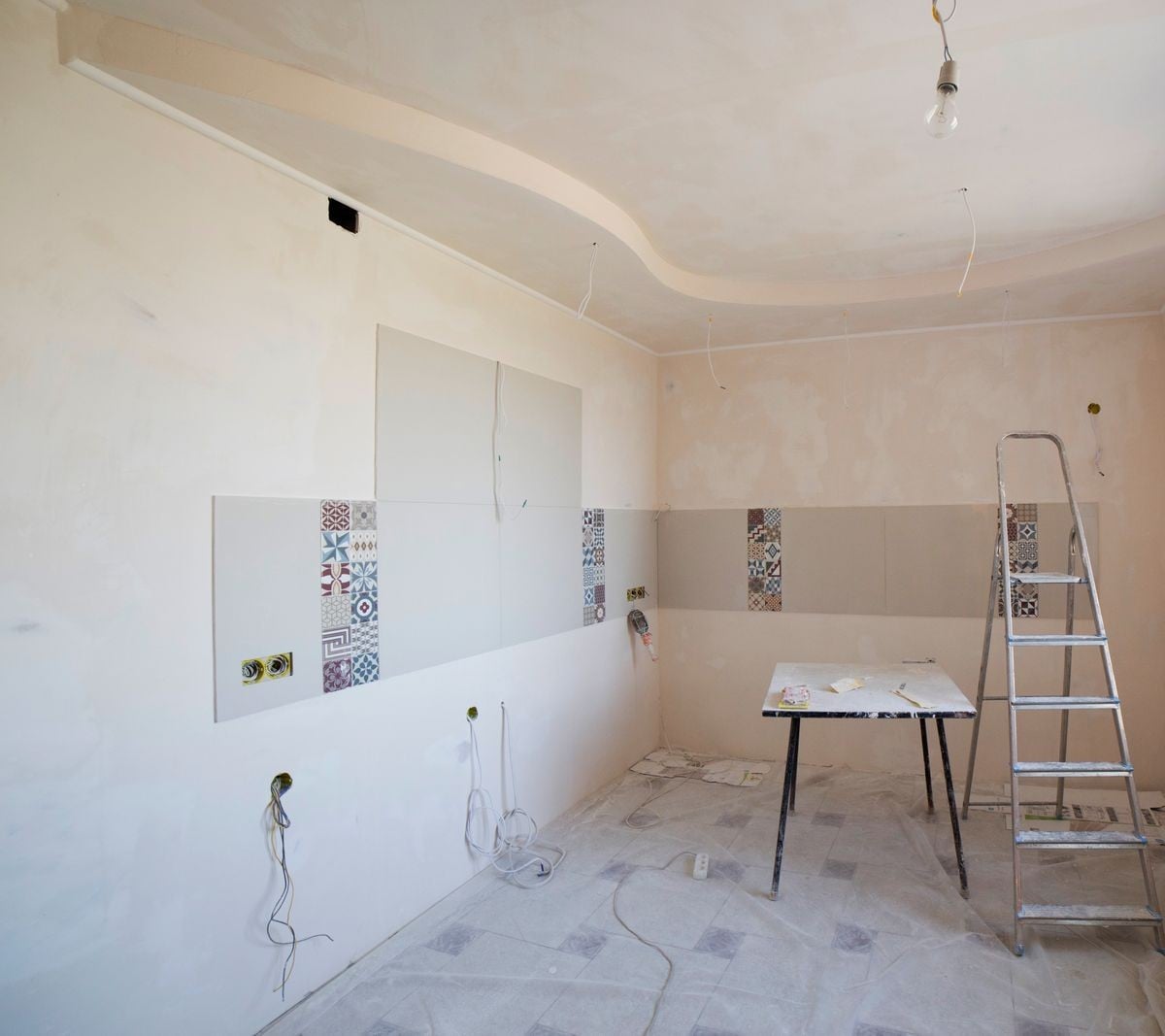
The City’s residential inspection checklists include framing, insulation, wallboard, rough electrical, plumbing and mechanical, and final inspections. In practice, walls stay open until the rough inspections pass, so a schedule shouldn’t promise closed walls in a room before then.
Flooring often goes near the end because everything else can damage it. If it goes in early, keep it covered.
How do you keep dust out of the rooms you are still using?
Dust control is what makes living through a remodel workable. EPA’s Renovate Right pamphlet is written for older homes, but its list is a good plan for any house:
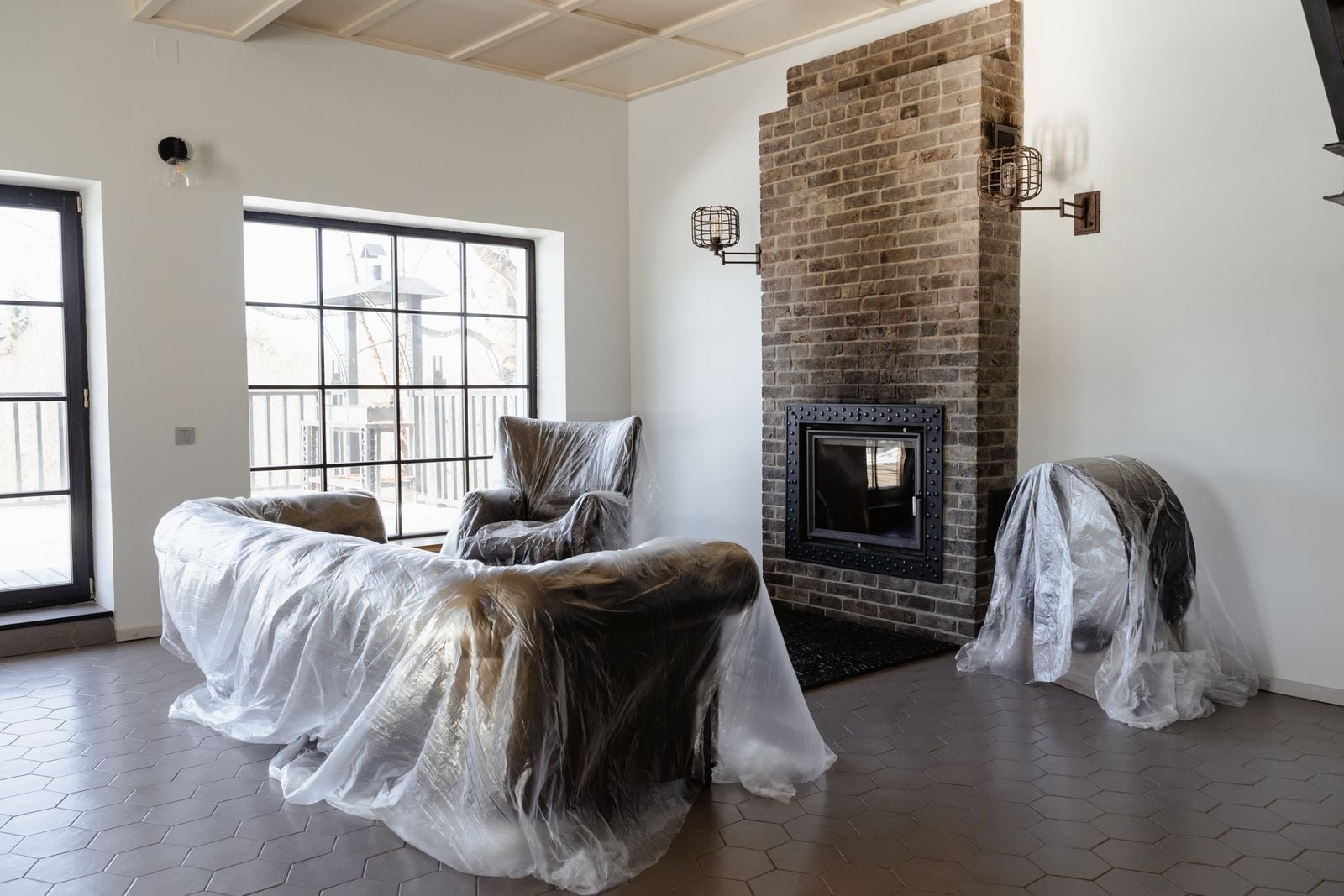
- Seal the work area with plastic sheeting, with a flap or zipper door the crew uses. Contained rooms are off-limits to the family until the work there is done and cleaned.
- Cover or remove furniture. Wrap what can’t be moved, like built-in cabinets.
- Seal heating and cooling vents in the work area and plan for the forced-air system to be off during the dustiest work, so the ductwork doesn’t spread dust to the bedrooms.
- Give the crew a separate path to the outside, ideally not the door your family uses.
- Plan a safe spot for pets away from the work.
- Clean daily, with a HEPA vacuum and wet wiping before any plastic comes down.
Austin’s climate matters here. The National Weather Service’s Austin climate summary notes that normal highs reach 90 degrees by May 26 and stay above 90 until September 23. Shutting off the air conditioning for dusty work in July is hard on a family living in the house. The same summary describes short, mild winters, so the cooler months are easier for demolition and sanding. If the heavy work lands in summer, plan portable cooling for the rooms you are using, or plan to be away for those weeks.
What changes if your house was built before 1978?
Older homes add two checks before demolition.
Lead paint. Under EPA’s Renovation, Repair and Painting Program, anyone paid to disturb painted surfaces in a home built before 1978 must be an EPA lead-safe firm with workers trained in lead-safe work practices. For interior work that disturbs more than six square feet of paint in a room, the contractor must give you the Renovate Right pamphlet before work starts. Ask to see the firm’s EPA lead-safe paperwork, and have the contract spell out which rooms are the work area, how they will be contained and how the cleanup will be checked.
Asbestos. EPA’s asbestos guidance says you can’t tell whether a material contains asbestos by looking at it, and suggests an inspection by a trained asbestos professional when you are planning a remodel. EPA lists textured paint and patching compounds on walls and ceilings, and vinyl floor tiles and their adhesives, among the places it may be found. Until results come back, leave suspect materials alone.
In a newer house these steps don’t apply, but the same containment still keeps drywall dust out of the bedrooms.
How do permits and inspections affect the schedule?
Inside the City of Austin, the Residential Plan Review division reviews interior remodels and lists a review time of 5 business days for an interior remodel and 10 business days for additions. Raising a roof counts as an addition, not an interior remodel. When walls, doors, windows or plumbing fixtures are added or removed, the City asks for existing and proposed floor plans, and floor plans show items such as smoke and carbon monoxide alarm locations.
Not every part of the job needs a permit. The City’s list of exempt work includes painting, tiling, carpeting, cabinets, countertops and similar finish work. A new or replaced shower or tub is not exempt, and moving walls or adding wiring or plumbing is not on the exempt list.
Two details matter if you are living there:
- Inspections happen on weekdays. The City’s Building Inspections page lists inspection hours of Monday through Friday, 7 a.m. to 3 p.m., usually about 24 hours after the contractor schedules, sometimes up to 48. The inspector needs access to the house and the approved plans on site.
- Changes need a revision. After approval, changes to the approved design go through a revision, so settle choices before the application.
Planning a whole-home remodel? Start with the phases
At Ridgepoint Solutions, a remodel starts with a walk-through and a written scope, price and schedule, including how the rooms you are living in will be protected. Changes are written down with their price before the work is done. Read more on our whole home remodeling page; exterior remodeling covers roof, siding and paint if the project includes them. Ridgepoint Solutions works in Austin and surrounding Central Texas communities. Get a free estimate and ask for a phasing plan, or email info@ridgepoint-solutions.com with a rough floor plan and the rooms you want to change.
Frequently asked questions
Can I stay in my house during a whole-home remodel?
Often, yes, if the work is phased so you keep a working bathroom, a place to sleep and a temporary kitchen, and the work areas are sealed with plastic. Moving out for part of the job is often simpler when the kitchen and the only bathroom are out of service at the same time, or when someone at home is sensitive to dust.
How long does the City of Austin take to review an interior remodel permit?
The City of Austin’s Residential Plan Review page lists 5 business days for an interior remodel review and 10 business days for new construction and additions. If the reviewer sends comments, the corrected plans go through another review. Construction and inspections come after the permit is issued, so build that time into the move-out or phasing plan.
Does my contractor need lead-safe training for a remodel in an older home?
If the house was built before 1978 and the work disturbs painted surfaces, yes. EPA’s rule says anyone paid to do that work must be an EPA lead-safe firm using trained workers and lead-safe work practices, and you should receive the Renovate Right pamphlet before work starts. Ask to see the firm’s EPA lead-safe paperwork before you sign.