
Stucco and brick can be painted, but they are not wood, and the paint system has to match the wall. New stucco needs time to cure before it takes paint, salt deposits and cracks have to be dealt with first, and the coating should be an acrylic or mineral product made for masonry. For bare brick that has never been painted, the simplest answer is often to leave it alone.
Here is what paint makers and the brick industry say, and how it applies to homes in Austin and surrounding Central Texas communities.
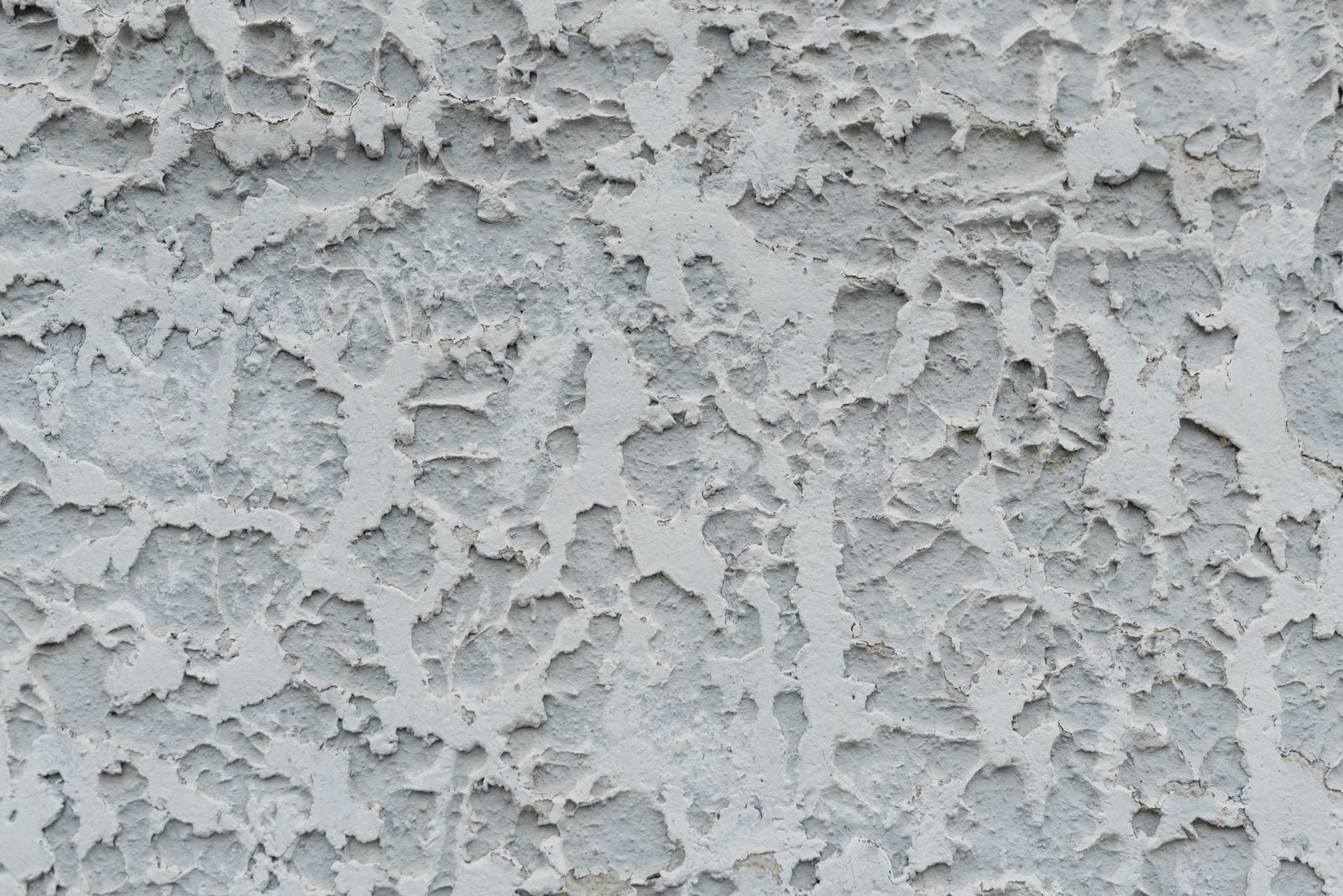
Why does paint fail on stucco and brick when it holds up on wood?
Two reasons: chemistry and moisture.
Stucco and mortar contain lime and cement, which are strongly alkaline when fresh. Sherwin-Williams’ guide to alkali burning on masonry puts the pH of fresh cement materials at 13 to 14 and says it takes roughly 30 days to drop to about 9. That alkalinity attacks the wrong paint: the same page says it will destroy an alkyd or oil product within six months, that vinyl acrylic will eventually fail, and that acrylic gives the best service.
Masonry also holds water. Sherwin-Williams notes that even after the wall has cured, water getting back into it can reactivate the alkalinity and cause efflorescence, blistering and peeling. The paint job is only as good as whatever keeps water out of the wall.
How long should new stucco cure before you paint it?
Benjamin Moore’s stucco painting guide says to wait at least 60 days before painting new stucco. Sherwin-Williams says new surfaces should be cured to the supplier’s recommendation, usually about 30 days.
Both companies offer a shortcut for jobs that cannot wait: a masonry primer or sealer rated for high alkalinity, applied after at least seven days of curing, once the surface pH has dropped to about 13 (Sherwin-Williams says below 13; Benjamin Moore says 13 or less). That allowance is product-specific, so read the data sheet for the primer you are buying. On an addition or a large patch, build the cure time into the schedule.
For patched cracks on older stucco, Benjamin Moore suggests waiting 7 to 10 days after larger repairs before painting.
What is that white powder, and can you paint over it?
A white, chalky crust on stucco or brick is often efflorescence: salt deposits left by water moving through the masonry. Benjamin Moore’s exterior painting guide is direct about it: don’t paint over efflorescence. Remove it first, with a wire brush or a masonry cleaner, then rinse and let the wall dry.
Efflorescence is a symptom. If it keeps coming back, water is getting into the wall somewhere, such as a crack, a wall cap, a roof-to-wall joint or a sprinkler that hits the wall. Painting over it without finding the source hides the problem under a fresh coat.
How should stucco be prepared and painted?
The order matters more than the brand.
- Clean. Benjamin Moore recommends brushing the stucco with a soft-bristle brush, then pressure washing, and treating any mildew. The wall must be completely dry before priming.
- Fix cracks. Hairline cracks can take an acrylic caulk made for stucco. If a credit card fits in the crack, Benjamin Moore says to open it up, prime and patch it with material that matches the texture.
- Prime. Use an acrylic masonry primer or sealer rated for the wall’s alkalinity.
- Paint two coats. Rough stucco is hard to cover. Benjamin Moore notes it can take 30 to 50 percent more paint than a smooth wall, and Sherwin-Williams’ data sheet for one of its masonry coatings calls for spraying and back-rolling rough stucco to get a pinhole-free film. Benjamin Moore says most people choose a flat sheen on stucco because it masks imperfections.
Benjamin Moore also notes there are two kinds of stucco: traditional hard coat and a softer synthetic system called EIFS. Know which one you have before anyone pressure washes it (see the FAQ below).
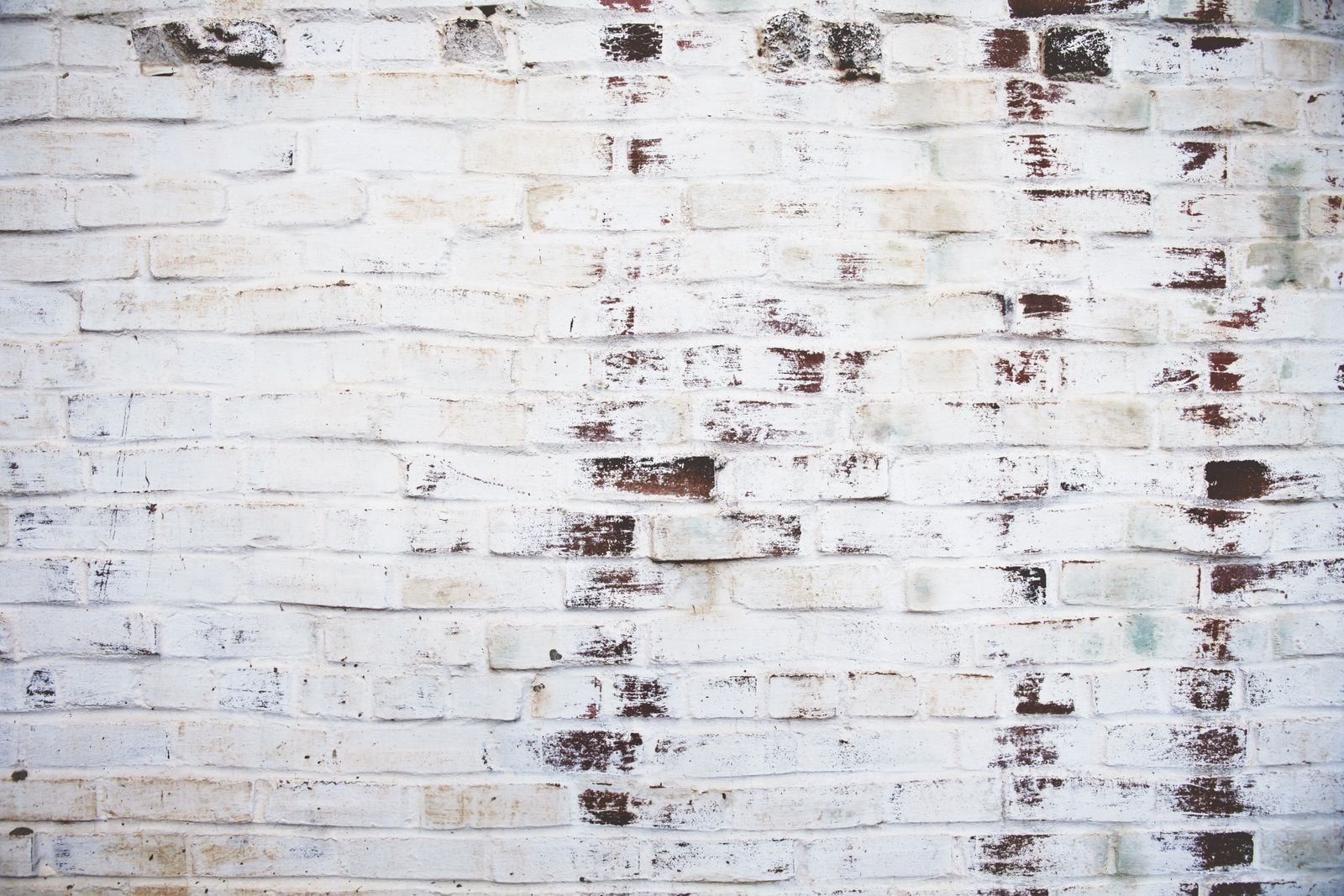
Should you paint brick at all?
The Brick Industry Association’s homeowner FAQ says that, in general, it does not recommend traditional paint on brick, because many paints form a film that can seal the surface and trap moisture in the brick. It adds that painted brick needs recoating about every 3 to 5 years, like paint on other materials. For glazed brick, which has a hard glossy face, the association recommends against painting at all.
If you want the opaque painted look anyway, the association recommends a mineral-based paint, typically a mineral silicate, which bonds to the masonry and stays vapor-permeable. Its technical note on changing the appearance of brick explains why permeance matters and warns that the wrong treatment can lead to cracking and spalling.
Brick that is already painted is a different decision. Recoating it means cleaning, scraping loose paint and removing any efflorescence first; Benjamin Moore lists acrylic latex as the best conventional paint for brick. The brick association also warns that pressure washing done wrong can permanently damage some brick.
Do you need a permit, and what about lead paint?
Painting by itself does not need a building permit in the City of Austin. The city’s list of work exempt from building permits includes painting and similar finish work on one- and two-family homes and townhouses, though exempt work still has to follow city codes. Larger repairs found during prep may need their own permit.
If the house was built before 1978, scraping old paint is lead-safe work. The EPA’s Renovation, Repair and Painting rule covers paid work that disturbs paint in those homes, except minor jobs that disturb 20 square feet or less on the exterior. Ask any painter how they will contain and clean up paint chips.
When is it better to wait?
Masonry soaks up water. The National Weather Service’s Austin climate summary lists May, October and June as the wettest months and describes thunderstorms that drop heavy rain in short bursts. Plan the job for a dry stretch and follow the label’s temperature and drying limits. Our post on when to paint a house exterior in Austin covers heat and dew timing in more detail.
Ridgepoint Solutions handles exterior painting along with the repairs that come before it, and exterior remodeling when the walls, roof and paint need to be planned together. Get a free estimate or email info@ridgepoint-solutions.com with a few photos of the wall.
Frequently asked questions
Can I use regular exterior house paint on stucco?
You can use a quality 100% acrylic exterior paint as the finish coat, but put a masonry primer or sealer under it, especially on newer stucco. Sherwin-Williams says alkalinity in fresh stucco will break down alkyd or oil paint and eventually vinyl acrylic too, while acrylic holds up best. Clean the wall, repair cracks and let everything dry before priming. On rough stucco, plan for more paint than the label coverage suggests.
How long after rain should I wait to paint stucco or brick?
Longer than you would for vinyl or aluminum siding. Sherwin-Williams says masonry absorbs more water from a soaking rain and recommends waiting at least one day after a heavy rain, with the rule that the surface must be dry before painting. Too much moisture in the wall can lead to peeling. The National Weather Service lists May, October and June as Austin’s wettest months, so check the shaded and lower parts of the wall before starting, not just the sunny side.
How do I know if my house has traditional stucco or EIFS?
Benjamin Moore suggests knocking on the wall. A solid sound probably means traditional hard-coat stucco, a mix of cement, limestone, sand and water applied over metal mesh. A hollow sound points to EIFS (Exterior Insulation Finishing System), a synthetic system that Benjamin Moore describes as softer than hard coat. The difference matters for cleaning pressure, patch materials and how damage is repaired. If you are not sure, have someone look at the wall before any pressure washing or crack repair starts.