
After a hailstorm, the first person at your door is often not the best person to fix your roof. The Texas Department of Insurance (TDI) warns that out-of-town scam artists may be the first to arrive after a disaster, and its advice is simple: hire local, get written bids, check references, and never pay the whole job up front. A few checks before you sign anything will sort a real contractor from a storm chaser.
Here is what TDI and Texas law say to look for, in the order you’ll run into it.
Is it a problem if a roofer knocks on my door after a storm?
Not every knock is a scam, but TDI’s guide to making repairs after a storm says to avoid contractors going door-to-door for damage repair work. The same page lists the warning signs:
- Takes cash only.
- Has only out-of-state references, or no physical address in your area.
- Wants money before materials are on site.
- Isn’t an established business.
- Has no insurance or bond.
- Pushes “specials” or “extra-cheap work.”
TDI’s storm fraud resources add two more: check whether the company is registered with your city or county, and don’t give credit card or bank details to anyone who shows up at the door. A real contractor will still be there tomorrow after you’ve made a phone call or two.
What should I check before anyone goes on my roof?
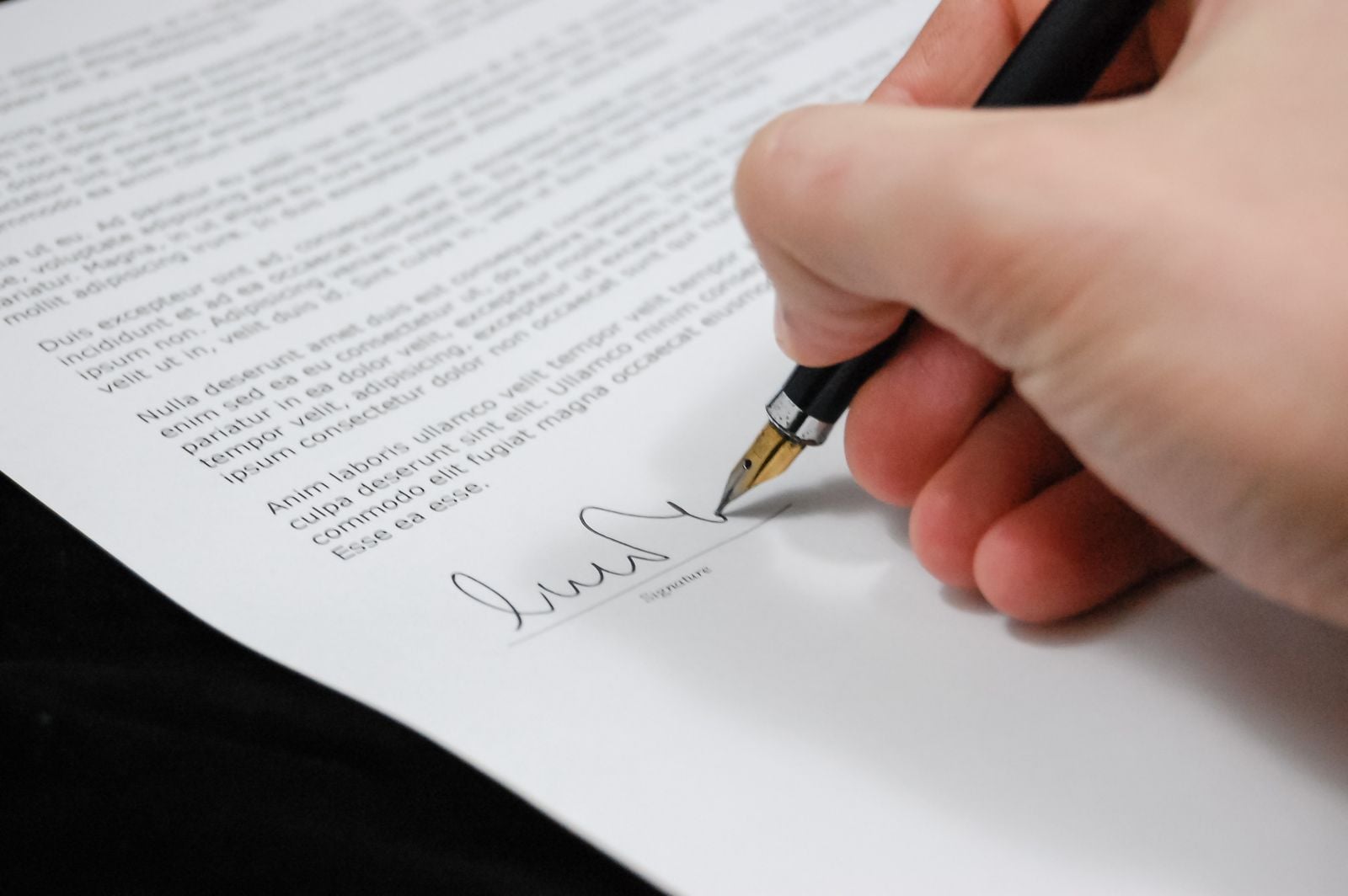
Read anything you’re handed before you sign it. TDI’s page on avoiding contracting scams says scammers will call a contract “an estimate” or “a release just to go on your roof.” If you sign it, you may owe that company money without ever seeing a real estimate. You shouldn’t have to sign a binding agreement just to get an inspection.
Before the ladder comes off the truck, get the basics TDI lists: the company’s name, a local street address, a working phone number and references you can actually call. Write down the name of the person you’re talking to. If the answers are vague, stop there.
If you just want to know whether there’s damage, our pages on how hail damage is diagnosed and the first steps on the storm damage page explain what an inspection should cover and what to photograph yourself from the ground.
What should be in the bid and the contract?
TDI recommends at least three written bids. Each one should be on the company’s letterhead with a phone number and an address, and you should keep a copy of every agreement. Comparing bids side by side is how you spot one that is too high or too good to be true.
A contract worth signing has these things in common:
- No blank spaces. TDI warns that a shady contractor can fill them in later with higher costs or different work.
- Named materials. The contract should list the materials that will be used, so you can check what goes on the roof as the job progresses.
- A defined scope. Specific repairs, not a promise to “fix the storm damage.”
TDI also flags one phrase by name. Never sign a contract that says the homeowner agrees to the listed repairs “for the value of insurance proceeds.” That wording hands the contractor every dollar of your claim payment, whether or not all the repairs get done.
How much can a contractor ask for up front?
TDI says to be wary of any contractor who wants a large or full down payment. After a declared disaster, Texas law goes further. Under Chapter 58 of the Business and Commerce Code, a contractor doing storm repair or reconstruction after a governor’s or county judge’s disaster declaration must put the contract in writing and may not require any payment before work begins. Partial payments can’t run ahead of the work done and materials delivered, and the contract has to carry a boldfaced Chapter 58 notice. The law doesn’t apply to a contractor who has kept a physical business address in your county, or a neighboring county, for at least one year before the contract. You also can’t sign these protections away.
Even when no disaster has been declared, the same habits protect you: pay in stages tied to work you can see, and don’t make the final payment until the job is finished.
What about my deductible and my claim?
Be careful with any contractor who offers to “take care of” your deductible. TDI’s page on roofing and insurance law states that it’s illegal in Texas for a contractor to offer to waive, rebate or absorb a policyholder’s deductible, or to work it into the bid. Contracts for larger jobs paid from an insurance settlement must include a notice that you are responsible for the deductible, and your insurance company may ask for proof that you paid it.
The same TDI page explains that Texas doesn’t allow a roofer to act as your public insurance adjuster on a claim for a job it is also doing. A contractor who offers to negotiate your settlement, file the claim for you, or promises to recover “every dime” from your insurer is describing conduct TDI calls improper. TDI’s bulletin to insurers and contractors also reminds everyone that homeowners are entitled to have their home repaired by the person of their choice. Questions about what your policy pays belong with your agent or adjuster. Ridgepoint Solutions is a contractor, not an insurance agent, and nothing here is legal advice. You can read how we approach storm work on our insurance restoration page.
Does a storm roof replacement need a permit in Austin?
Often not, which is why “no permit needed” isn’t a red flag by itself. The City of Austin’s list of work exempt from building permits includes asphalt shingles replacing asphalt shingles and other roof covering replacement that doesn’t affect the roof structure. The exceptions are replacing more than 128 square feet of roof decking, or half or more of the roofing on a property in the Wildland-Urban Interface area. Ask the contractor whether either applies to your house, and expect a straight answer. Exempt work still has to meet the building code.
When can I skip all this?
If your roof took no visible damage, there are no granules piling up at the downspouts and no new stains on the ceiling, you don’t need to sign anything with anyone this week. Take photos from the ground, keep them with the storm date, and get an inspection on your own schedule from a company you chose.
Ridgepoint Solutions serves Austin and surrounding Central Texas communities. If you’d like a written look at your roof after a storm, with no pressure to sign on the spot, Get a free estimate or email info@ridgepoint-solutions.com.
Frequently asked questions
How do I check whether a roofing company is local and established?
Ask for a street address, not just a phone number, and drive by or look it up on a map. Call the references they give you, ideally homeowners from past seasons. TDI suggests checking whether the company is registered with your city or county, and warns against contractors with only out-of-state references or no physical address in your area. An established company can answer these questions without hesitation.
Can a contractor make me sign before inspecting my roof?
A contractor can ask, but you don’t have to agree. TDI warns that scammers sometimes present a contract as an estimate or a release just to get on your roof. Read every page before you sign. If the paper commits you to having that company do the work or pay for anything, it’s a contract, not an inspection form. You can say no and find someone who inspects first and gives you a written estimate.
Is it legal for a roofer to pay my insurance deductible?
No. TDI states that it’s against Texas law for a contractor to offer to waive, rebate or absorb your deductible, or to hide it in the bid. Qualifying contracts paid from an insurance claim must include a notice that the homeowner pays the deductible, and your insurance company can ask for proof that you paid it. If a contractor makes this offer, TDI suggests hiring someone else and reporting it to the Texas Attorney General.