
A recover puts a new roof system over the existing one. A tear-off removes the old roofing down to the deck before the new system goes on. The 2024 International Building Code, which the City of Austin adopted with local amendments effective July 10, 2025, allows a recover only in certain cases. It is not allowed when the existing roof is water-soaked or deteriorated to the point that it can’t serve as a base, or when the roof already has two or more applications of roofing. So the real question is not which option sounds better. It is what is actually under your membrane today.
What is the difference between a recover and a replacement?
The building code uses specific terms. Section 1512 of the 2024 IBC defines a roof replacement as removing all existing layers of roof assembly materials down to the roof deck. A roof recover is a new roof covering installed over the existing roof covering, without that removal.
On a flat or low-slope building, that difference reaches well past the membrane. A tear-off exposes the deck, so damaged decking, wet insulation and rotted wood nailers can be seen and dealt with. A recover leaves those layers in place, so their condition has to be checked before the work begins, not after.
The City of Austin’s ordinance adopting the 2024 IBC lists the sections it deleted or changed. Section 1512 is not on that list, so the reroofing rules apply in Austin as the model code wrote them. You can read the adoption details on the City’s Building Technical Codes page.
When does the code allow a recover?
Under Section 1512.3, a recover is allowed when the new roof covering is installed according to the manufacturer’s approved instructions. The section also lists cases such as complete, separate roof systems like standing-seam metal panels, and new protective coatings over certain existing roof types.
The same section lists three cases where a recover is not allowed:
- The existing roof or roof covering is water-soaked or has deteriorated to the point that it is not adequate as a base for more roofing.
- The existing covering is slate, clay, cement or asbestos-cement tile.
- The existing roof already has two or more applications of any type of roof covering.
The third rule matters on older buildings. If the roof was recovered once already, the next reroof is a tear-off, so find out how many layers are up there first.
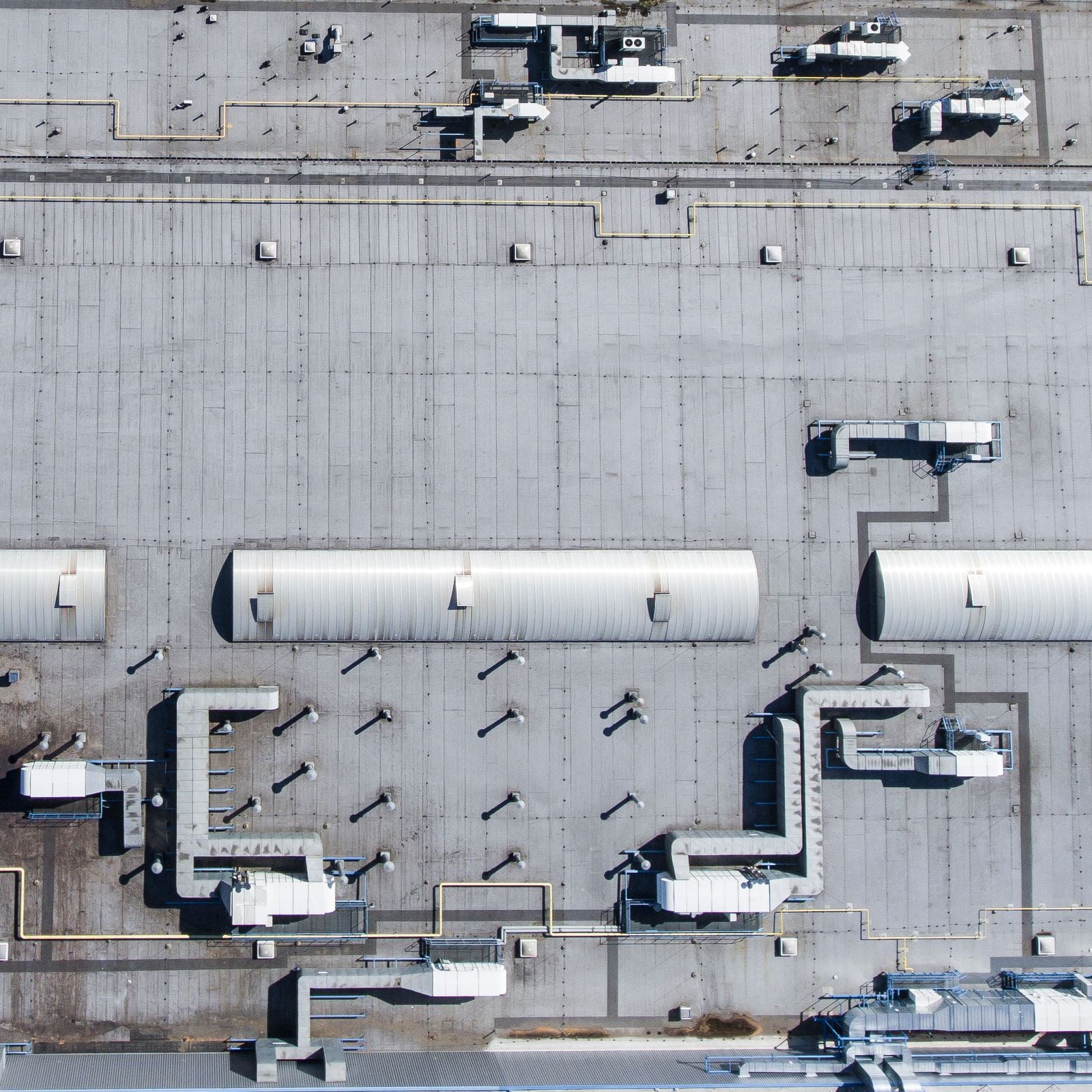
How do you find out if the existing roof can take a recover?
The code’s “water-soaked or deteriorated” limit means someone has to look inside the roof, not just at the surface. Manufacturers set their own requirements on top of the code. Soprema’s roofing technical manual, for example, says a moisture survey should be done on an existing roof to find the moisture content of the system, and that all wet components must be removed before the new system goes on. The same manual says a design professional should be consulted to confirm the structural integrity of the existing deck.
A thorough check can include:
- A walk of the whole roof, looking at seams, flashings, curbs, drains and edges
- A moisture survey to find areas where the insulation may be wet
- Core cuts to confirm the number of layers, the insulation type and whether it is dry
- A look at the deck from below where the building allows it
Wet sections come out no matter which option you pick. If they are widespread, much of the roof is coming off anyway. A commercial roof inspection is the right starting point for this step.
What has to be replaced even on a recover?
A recover is not a cover-everything job. Section 1512.4 says existing vent flashing, metal edgings, drain outlets, collars and metal counterflashings can’t be reinstalled if they are rusted, damaged or deteriorated. Aggregate surfacing from a built-up roof can’t be reused either. Section 1512.5 says flashings must be rebuilt following the roof manufacturer’s approved instructions.
Flashing height can also be a problem. Soprema’s manual notes that some existing building features don’t allow the minimum flashing height to be reached. Going over an old single-ply membrane such as TPO, PVC or EPDM also takes special steps under that manual, so the method depends on what is up there now.
Do slope and drainage rules change on a reroof?
Chapter 15 sets a minimum design slope of one-quarter unit in 12 for low-slope coverings such as single-ply and modified bitumen. Section 1512.1 gives existing low-slope roofs some relief. A recover or replacement does not have to meet that minimum slope, or the secondary drainage rule in Section 1502.2, as long as the roof provides positive drainage and meets the structural load sections the code cites. The same exception says existing secondary drains or scuppers can’t be removed unless they are replaced by ones that meet the code.
Even so, a reroof is a good time to look at how water leaves the roof. If water stands after storms, ask whether tapered insulation or crickets belong in the scope. Our pages on commercial roofing, TPO roofing and modified bitumen roofing explain how those systems are built.
Do you need a permit for a commercial reroof in Austin?
Plan on it. The City’s list of work exempt from building permits includes certain roof-covering work only in its residential section. The commercial list has no roofing item. Work that is exempt still has to meet the code.
For smaller jobs, the City’s Commercial Plan Review page describes a Quick Turnaround option for projects of 5,000 square feet or less. Re-roof is one of the exterior work types it allows, with limits on occupancy type and location. When a project qualifies, the City says review can be completed within one business day. Check with the City for your building’s specific path.
Whichever way you lean, start with facts, not a preference. Find out how many layers the roof has, whether the insulation is dry and what shape the deck and flashings are in. If there is already a recover on the building, or the survey finds widespread wet insulation, the code and the condition of the roof point to a tear-off. If there is one layer, the insulation is dry and the manufacturer of the new system approves going over it, a recover may be an option worth pricing next to a full replacement.
Ridgepoint Solutions works on low-slope roofs across Austin and surrounding Central Texas communities. If you want the existing roof checked and a written scope for either option, Get a free estimate or email info@ridgepoint-solutions.com. If the roof only needs spot work for now, see our commercial roof repair page.
Frequently asked questions
Can you put a new flat roof over two existing roofs?
No. Section 1512.3 of the 2024 IBC does not allow a recover when the existing roof already has two or more applications of any roof covering. In Austin, the City adopted the 2024 IBC without changing that section. If cores show two roofs, the next job is a tear-off down to the deck. Counting layers is one of the first things to confirm before comparing options.
What happens if only part of the insulation is wet?
The code does not allow a recover over a roof that is water-soaked or too deteriorated to serve as a base. Manufacturers also set rules. Soprema’s technical manual says all wet components must be removed before the new system goes on. Small wet areas can be cut out and replaced. When wet insulation is spread across much of the roof, a full tear-off may make more sense.
Does a recover let you skip new flashings?
No. Section 1512.4 says rusted, damaged or deteriorated vent flashings, metal edgings, drain outlets, collars and counterflashings can’t be reinstalled. Section 1512.5 says flashings are rebuilt following the roof manufacturer’s approved instructions. Plan on new flashing work at edges, curbs and penetrations wherever the old metal is worn, so a recover is more than a new membrane on top.