
The best time to document your home is on a calm day, months before the next hailstorm. The Texas Department of Insurance recommends a room-by-room home inventory with photos or video, serial numbers and purchase dates, updated at least once a year. Add dated photos of the roof and exterior plus the paperwork for past roof work, and you will have a clear “before” record if a storm ever does damage.
Why make a home inventory now instead of after a storm?
Because after a storm you are working from memory. The Texas Department of Insurance’s home inventory tips say that not having an inventory could delay a claims payment, and that most insurance companies will want a record of lost or damaged items before they pay a personal property claim. TDI’s Before the storm page adds that storms in Texas often happen with little or no warning.
The calendar matters too. NOAA’s Storm Prediction Center severe weather climatology for the Central Texas (EWX) radar lists a primary season of February 22 to June 27, with hail reports climbing from March to a peak in May. Late fall and early winter are the quiet stretch, which makes them the practical time to get this done.
What your policy asks for is between you and your insurance company. TDI’s advice is to ask your agent what documentation is needed to make a claim, so start there.
What goes in a home inventory?
TDI and FEMA’s guide Document and Insure Your Property agree on the basics:
- Photos or video of every room. Open closets and drawers while you record. TDI also points to the garage and shed: tools, lawn equipment and sporting goods.
- Serial and model numbers for appliances and electronics. FEMA suggests writing down the year, make and model where it applies, not just relying on pictures.
- What you paid and when you bought it for major items, per TDI. Keep receipts with the list.
- An appraisal for valuable items, which FEMA suggests to establish what they are worth.
TDI notes that many insurance companies have their own inventory apps or online forms, and that the National Association of Insurance Commissioners offers a free NAIC Home Inventory app if yours doesn’t.

How do you document the roof and outside of the house?
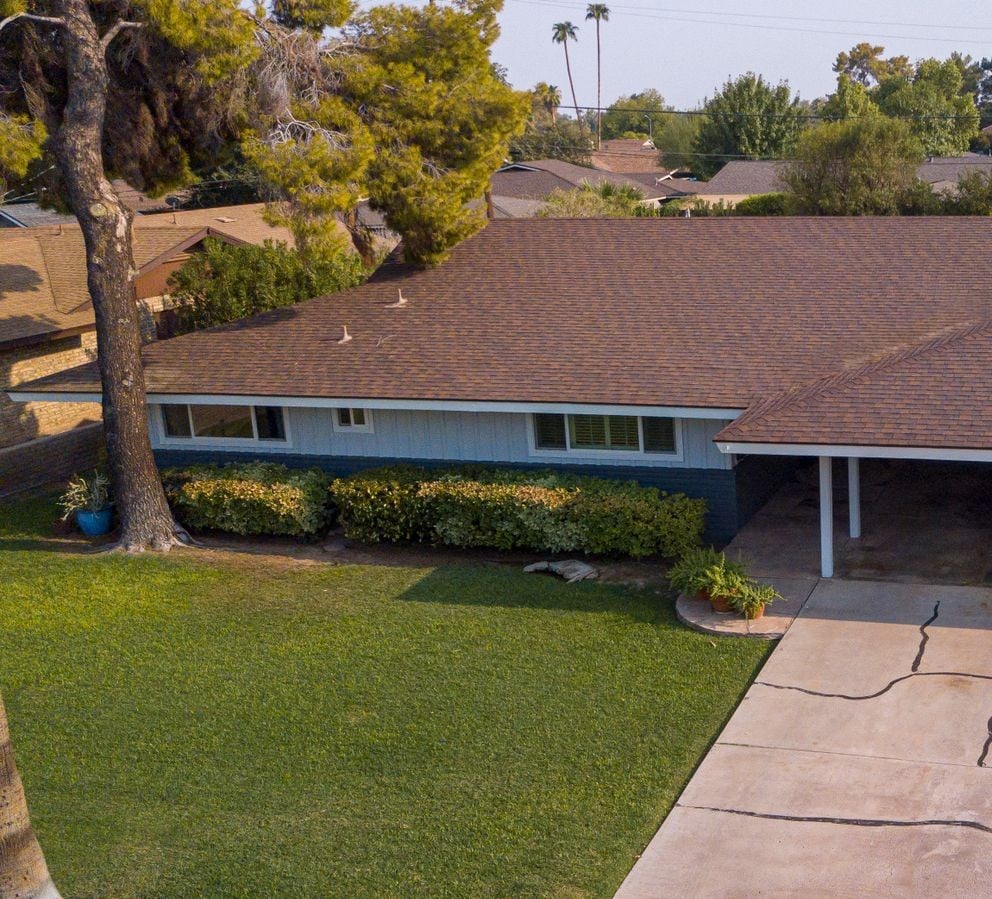
The contents list is the part most guides cover. The house itself is easy to skip, and the roof and exterior are what hail and wind reach. On the same calm day, add an exterior set to your inventory:
- Roof from the ground. Take wide shots of each side of the house showing the roof slopes, then zoom in on the edges, vents and any skylights. Stay off the roof. A window that looks onto a lower roof section is fine; a ladder is not necessary for this.
- Gutters, downspouts and fascia. Photograph each run, including the corners.
- Siding, window screens, fences and outdoor equipment. Hail and wind can damage these too, so capture their current condition.
- The attic, if you can get in safely. A few photos of the underside of the roof deck give you a picture of how it looked before a storm.
Make sure each photo carries a date. Check that your phone saves the date with each picture, and keep the original files rather than screenshots.
While you’re looking, TDI’s hurricane preparation tips note that damaged shingles and leaks around chimneys or skylights will get worse in a storm, and suggest having a professional secure loose shingles and check the metal flashing around openings and roof valleys. The same page recommends removing dead limbs that hang over the house and tying down loose yard items. If your photos turn up anything worn or loose, that is the time to fix it, not after the next storm.
Which roof records are worth keeping?
Photos show condition. Paperwork shows age and materials. Put these in the same folder:
- The invoice or contract from the last roof replacement or repair, with the date of the work.
- The material details: the shingle or panel manufacturer, product line and color name. Check the invoice for them, and photograph any leftover bundle wrapper. If a section ever needs repair, matching starts with knowing what is up there.
- Permit history. You can look up permits on file for your address through the City of Austin’s Austin Build + Connect public permit search. The City’s Express Permits page explains that some roof repairs and replacements may be exempt from a permit, so an empty search does not necessarily mean the work was done wrong. The same page notes extra roofing material requirements for homes in the Wildland-Urban Interface Code Area, which is worth knowing before any future roof work.
If you bought the house recently, your inspection report may already describe the roof. Our post on what a home inspection checks on the roof covers what those reports include and leave out.
Where should you keep it, and how often should you update it?
Not only in the house. TDI suggests storing your inventory with a family member or close friend, or online in cloud storage or email. FEMA adds keeping paper copies in a waterproof and fireproof box, safe or bank deposit box, and protecting electronic copies with strong passwords. FEMA also recommends keeping your policy number, your agent or insurance company’s contact information, and claim filing instructions somewhere secure and easy to reach.
For updates, TDI says at least once a year and whenever you make a big purchase. A simple routine: redo the room video and the exterior photo set each year in late fall or early winter, and add new items as you buy them. TDI’s preparation page also suggests reviewing your policy after you’ve built onto the house or bought new furniture or electronics. That is a question for your agent.
When is this a job for a contractor?
Most of it isn’t. A home inventory is something you do yourself with a phone and an afternoon. Where Ridgepoint Solutions fits is the roof and exterior part. If your photos show lifted shingles, worn flashing or damaged gutters, or you want a professional look at the roof before spring, Ridgepoint Solutions offers a free inspection and written estimate. After a storm, our pages on storm damage, hail damage and how the insurance process works cover the next steps. We work with homeowners in Austin and surrounding Central Texas communities.
Want a baseline look at your roof before storm season? Get a free estimate or email info@ridgepoint-solutions.com.
Frequently asked questions
How often should I update my home inventory?
The Texas Department of Insurance recommends updating your inventory at least once a year and whenever you make a big purchase. A practical routine is to re-record each room and retake your exterior and roof photos each year in late fall or early winter, before the spring storm season, and to add new items with their receipts as you buy them. Keep the updated copy somewhere outside the house, such as cloud storage or with a relative.
Do I need to climb on the roof to photograph it?
No. Wide photos from the ground on each side of the house, plus zoomed shots of edges, vents and skylights, give you a usable record without the risk. A window that looks onto a lower roof section can help. If you want close-up documentation of the shingles and flashing, have a roofing professional inspect the roof and provide photos rather than getting on it yourself.
When is the best time of year to make a home inventory in Austin?
Before spring. NOAA’s Storm Prediction Center climatology for the Central Texas (EWX) radar area lists a primary severe weather season of February 22 to June 27, with hail reports peaking in May. Late fall and early winter are quieter months, so they are a practical window to record each room, photograph the roof and exterior, and gather receipts and roof paperwork before the busy season starts.